
Preventing Boiler Corrosion: The Basics of Oxygen Scavengers
Article Type: Industry Insight
Topic: How dissolved oxygen damages boilers and how it is controlled
Published: September 14, 2026
Sample article. Will be updated by the website admin.
Even small amounts of dissolved oxygen in boiler feedwater can cause pitting corrosion, shortening the life of tubes and increasing the risk of unplanned shutdowns.
Two layers of protection
- Mechanical deaeration: a deaerator removes most dissolved oxygen by heating the feedwater.
- Chemical oxygen scavengers: remove the remaining traces of oxygen that the deaerator cannot.
Supporting chemistry
Oxygen control works best together with proper alkalinity control. Keeping boiler water within the recommended pH range helps form a stable protective layer on metal surfaces.
Monitoring and handling
- Monitor regularly: measure dissolved oxygen, pH and residual scavenger levels.
- Follow the manufacturer and water treatment specialist guidance for dosing.
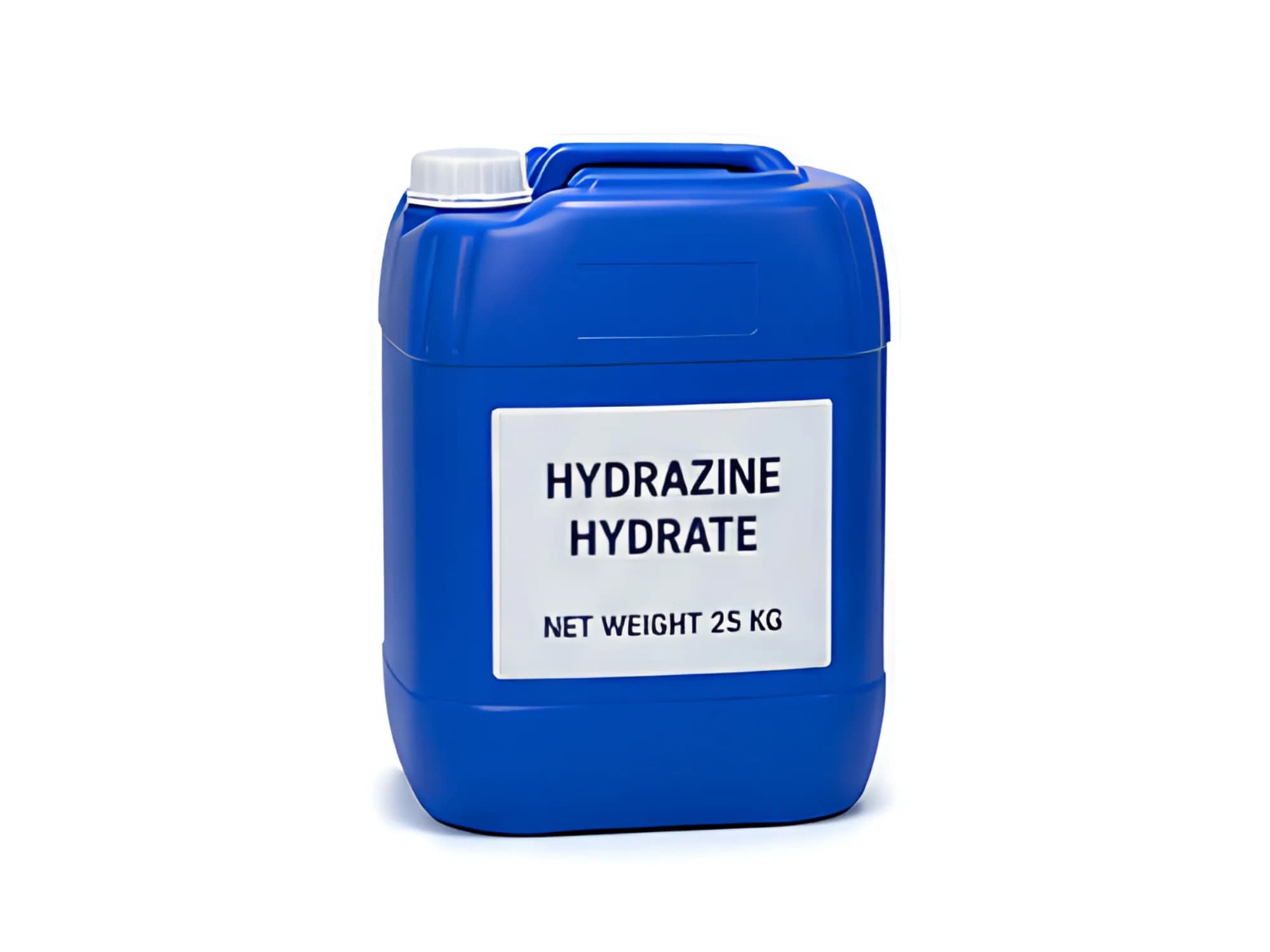
- Handle with care: some scavengers such as hydrazine are hazardous and must be stored and handled according to the Safety Data Sheet.
Recommended Products
Boiler & Process Water Chemicals
Hydrazine Hydrate 35%
Used as an oxygen scavenger to help control corrosion in boiler water systems.
View Detail →
Water Treatment Chemicals
Soda Ash (Na2CO3)
Raw materials for the glass, detergent, textile and various chemical applications.
View Detail →

pH, Neutralization & Industrial Chemicals
Caustic Soda Flake
Used for chemical processing, industrial cleaning, pH adjustment, and neutralization.
View Detail →
Have Similar Industrial Requirements?
Our engineering team is ready to assist your project from fabrication to regular maintenance.