
How to Choose the Right Coagulant for Water Treatment
Sample article. Will be updated by the website admin.
Coagulation is the first step in removing suspended particles, colour and turbidity from water. Fine particles carry a negative charge that keeps them apart; a coagulant neutralises that charge so they can clump together, settle and be filtered out.
Common coagulant options
- Aluminium sulfate: a widely used, economical coagulant that works best within a moderate pH range.
- Poly Aluminium Chloride (PAC): a pre-polymerised coagulant that works across a wider pH range and often produces less sludge.
What to consider before choosing
- Raw water quality: turbidity, colour and temperature change how fast flocs form.
- pH and alkalinity: coagulation consumes alkalinity, so pH may need correcting with soda ash or lime.
- Sludge handling: less sludge means lower disposal cost.
- Operating cost: compare the cost per cubic metre treated, not just the price per kilogram.
Start with a jar test
The most reliable way to choose a coagulant and its dose is a jar test using your own water. Run several doses side by side, compare floc size, settling speed and clarity, then confirm the result in the plant.
Our team can help you prepare samples and compare options for your treatment plant.
Recommended Products
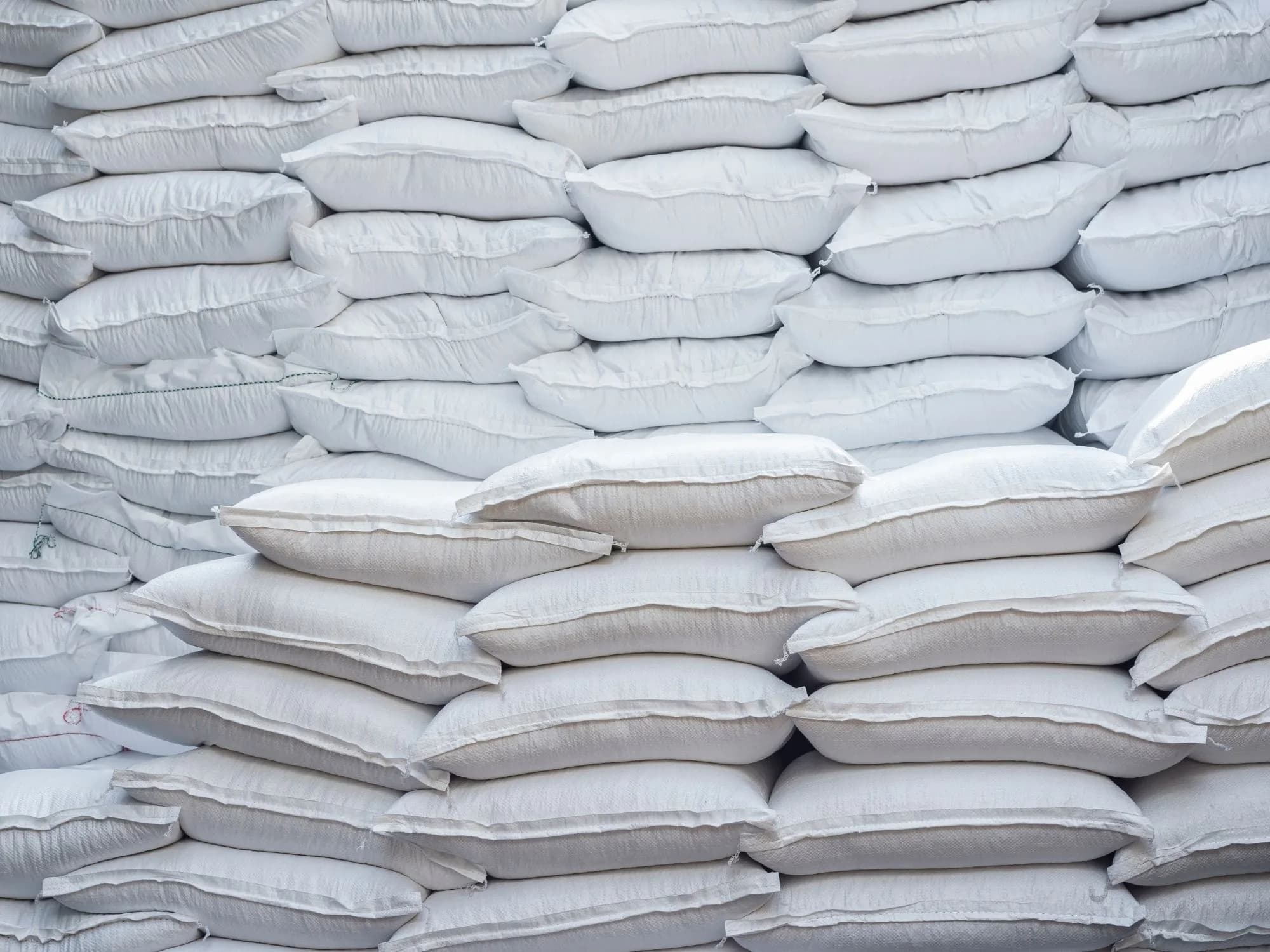
Aluminium Sulfate (Al2(SO4)3)
Used as a coagulant to remove suspended particles and impurities from water.
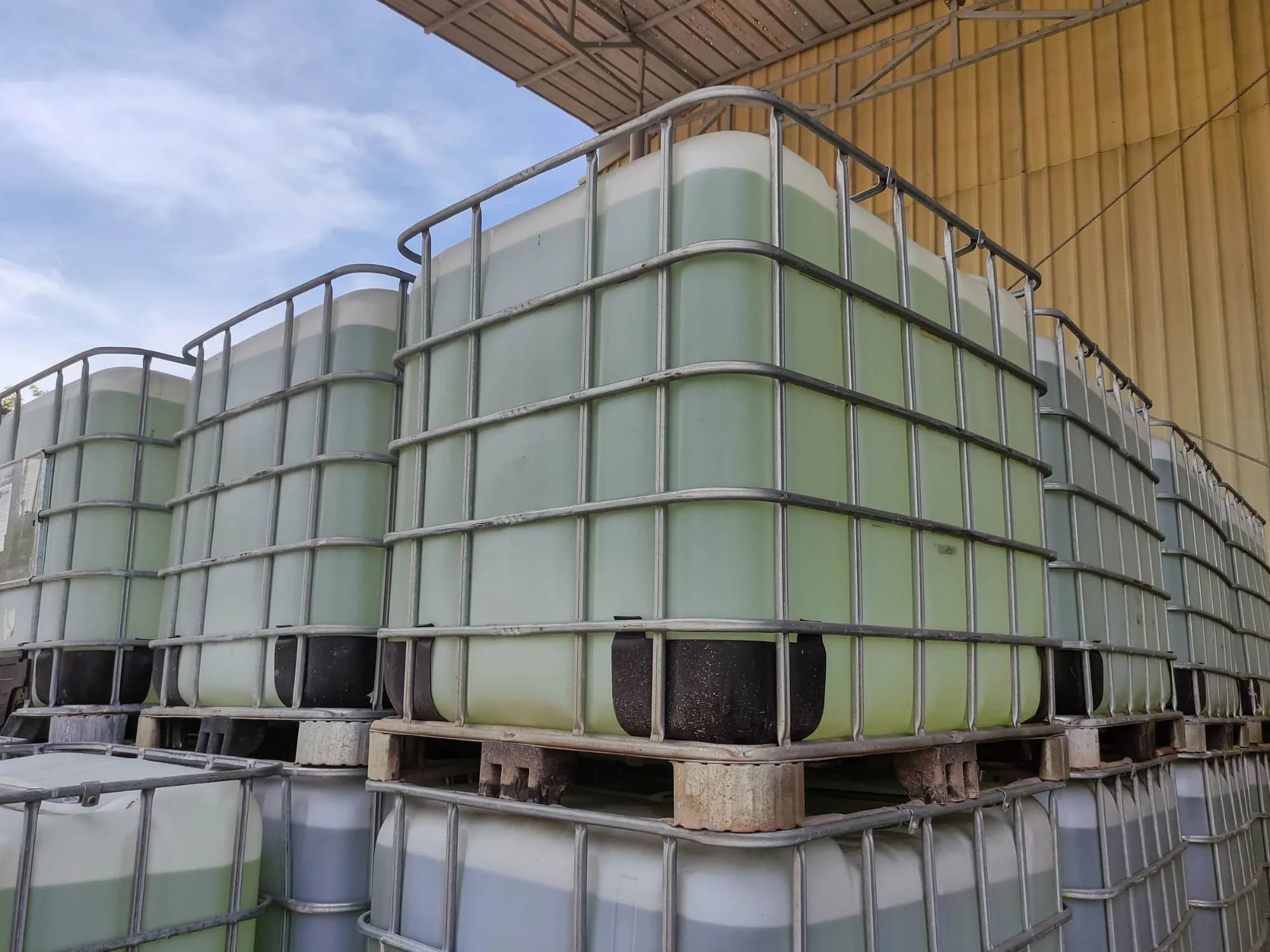
Poly Aluminium Chloride (PAC) 8%-12%
Used as a highly effective coagulant for water and wastewater treatment.
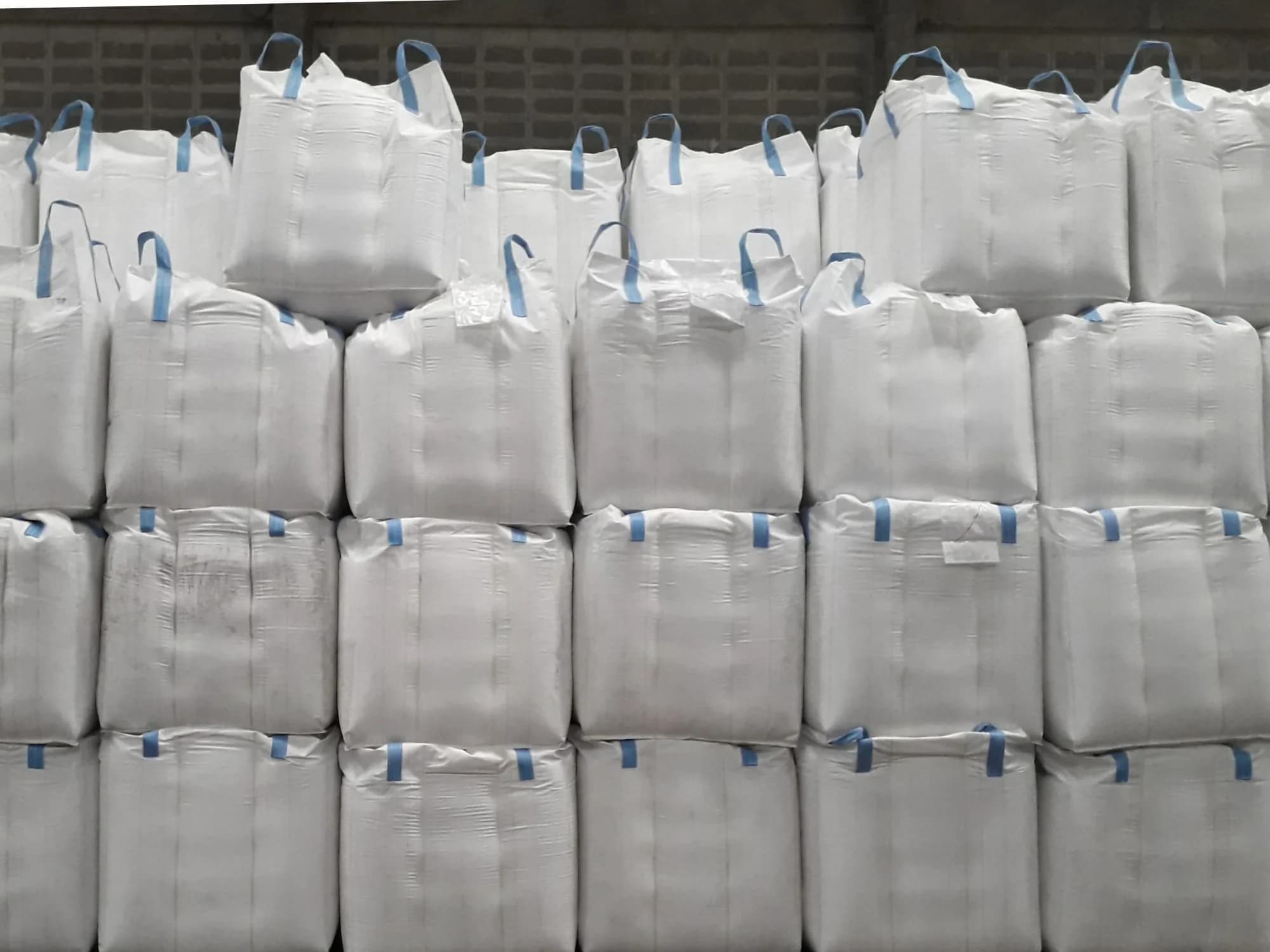
Soda Ash (Na2CO3)
Raw materials for the glass, detergent, textile and various chemical applications.
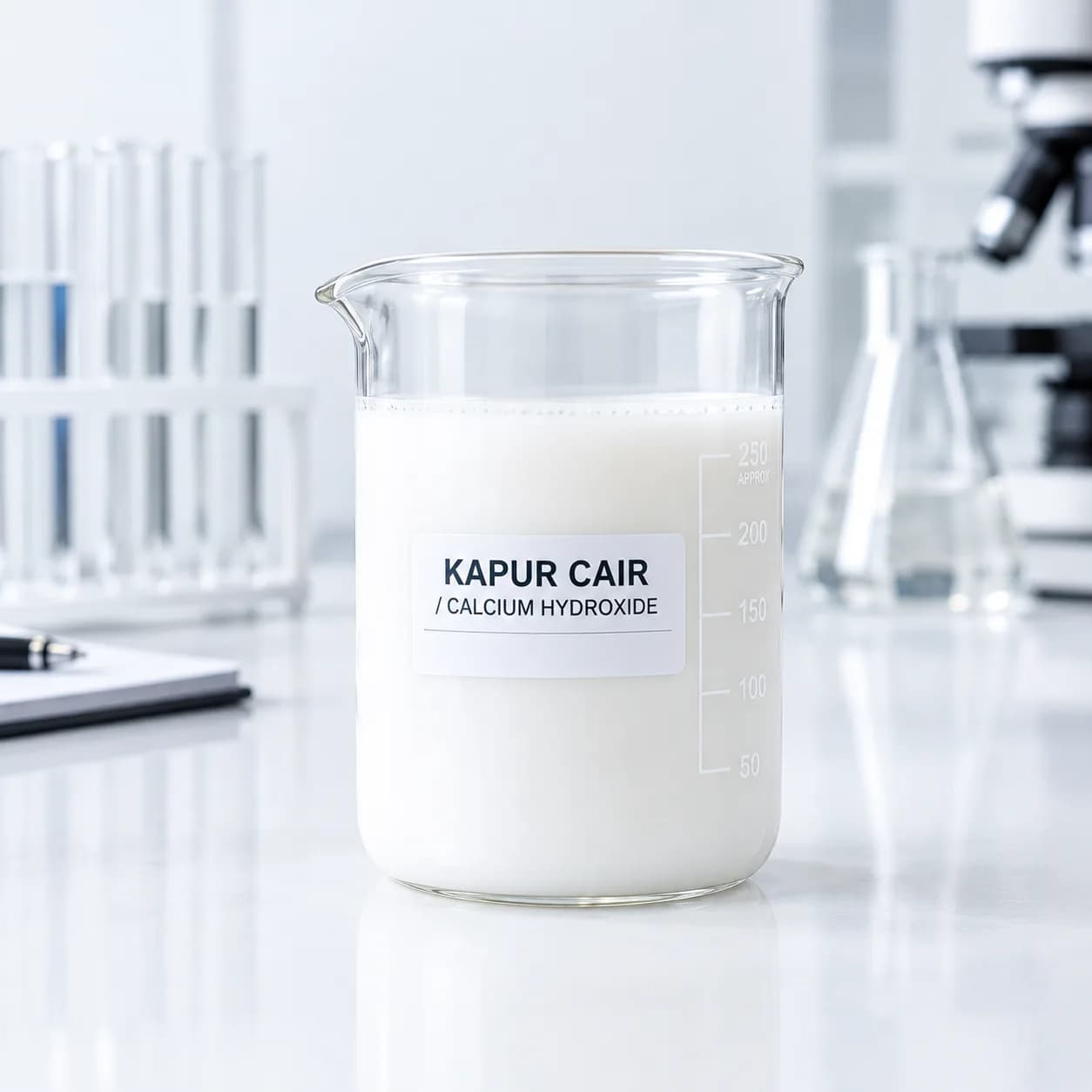
Kapur Cair
Used for pH adjustment, neutralization, and various water treatment processes.
Have Similar Industrial Requirements?
Our engineering team is ready to assist your project from fabrication to regular maintenance.